Glass and Light
Mosaic, glass
There is a reason why, for nearly two thousand years, mosaicists have preferred glass — or smalti, as the Italians call it.
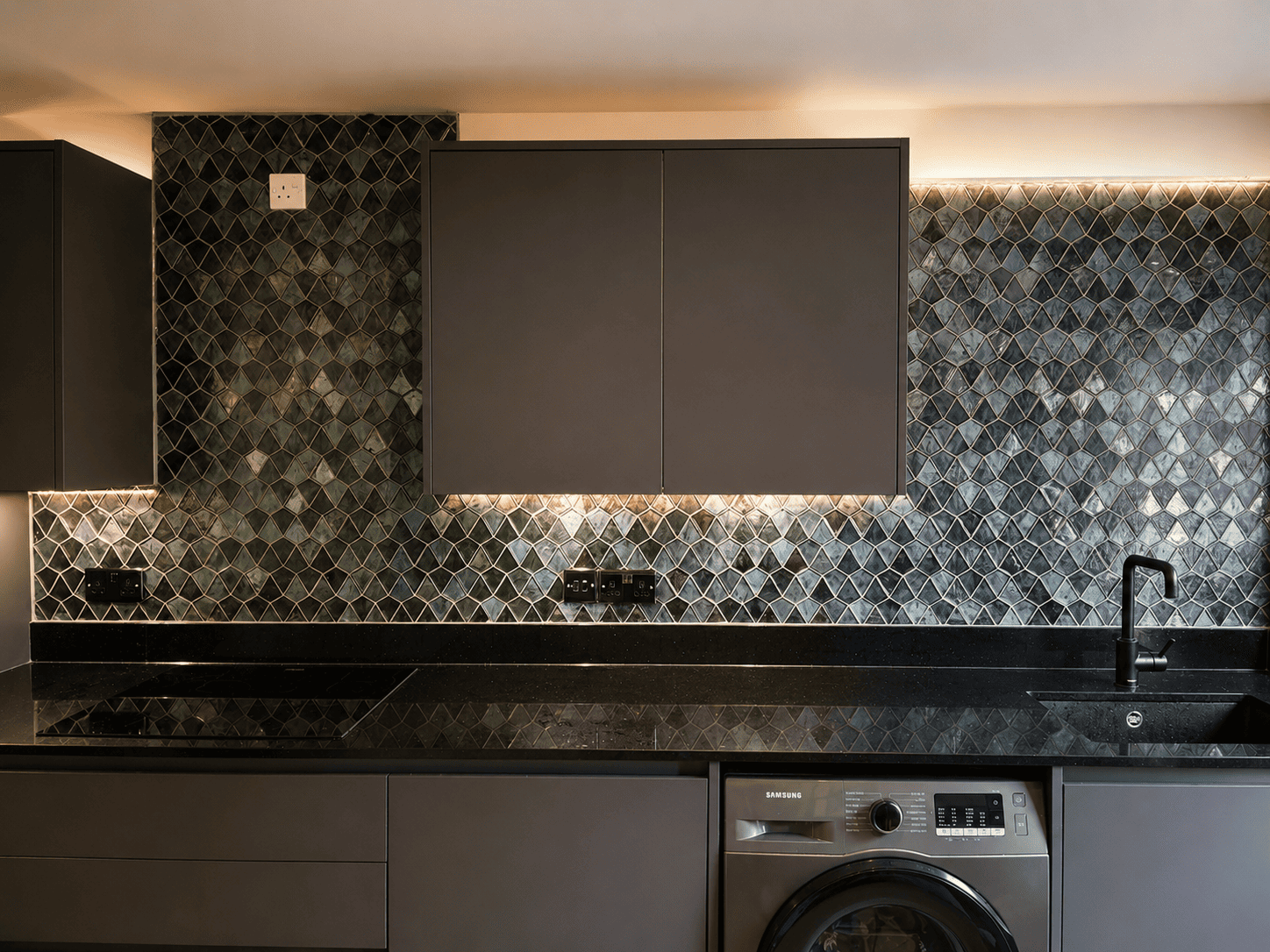
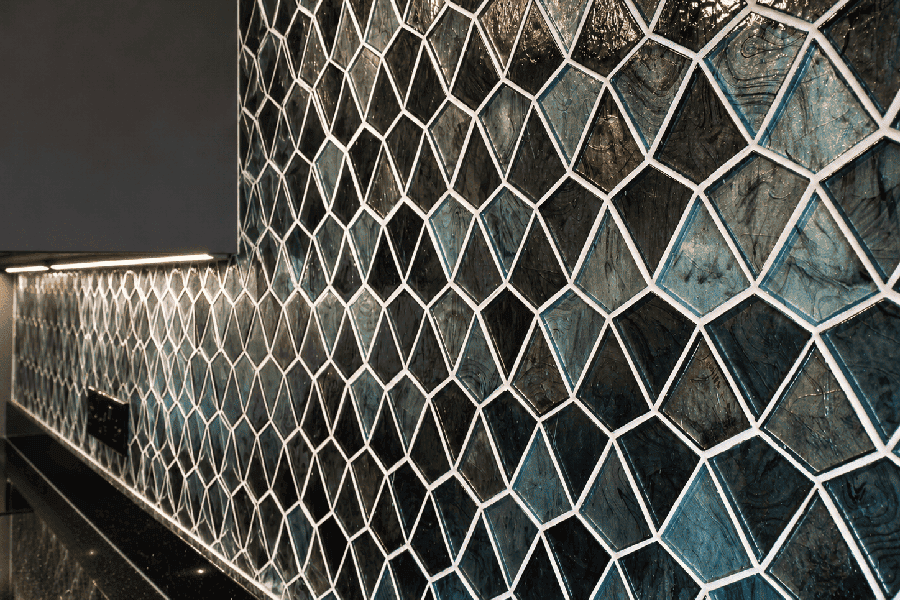
The answer lies in the way glass interacts with light and surrounding space. Unlike ceramic or stone, glass is not visually inert. It reflects, refracts, absorbs, and sometimes even transmits light. Because of this, glass mosaics rarely appear completely fixed or stable — they change over the course of the day and respond to the atmosphere around them.
This is precisely why Byzantine craftsmen loved glass so much. Walls made of glass mosaics appeared dissolved into light — immaterial, luminous, almost spiritual.
If you are considering glass mosaic, my advice is this: think carefully about how you intend to use light, where the light sources will be placed, and what kind of light they will produce. Because glass and light are inseparable.