
Form
Why White and Black Grouts Rarely Work
How variation creates depth, texture, and visual comfort.
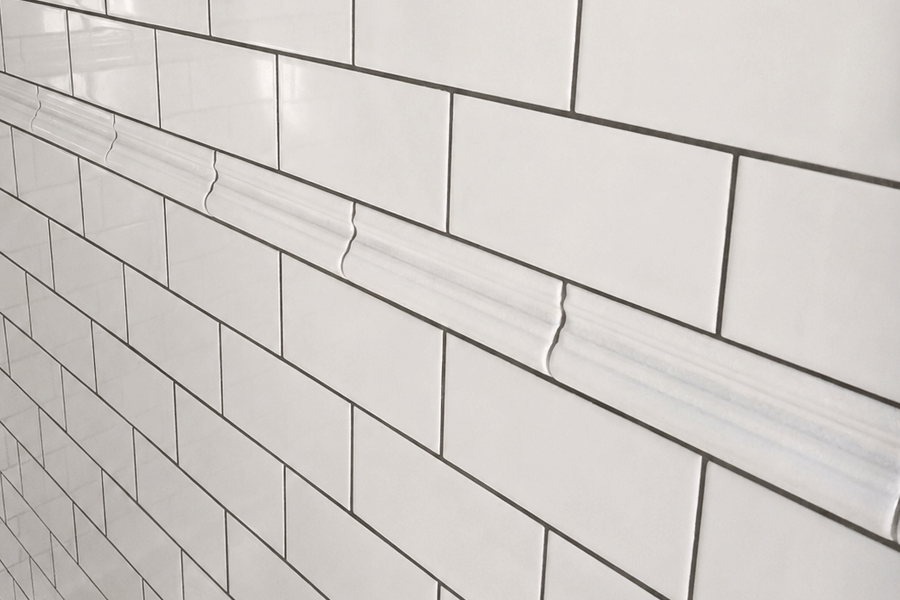
If you look closely at many successful tile installations, you may notice that white is rarely white and black is rarely black.
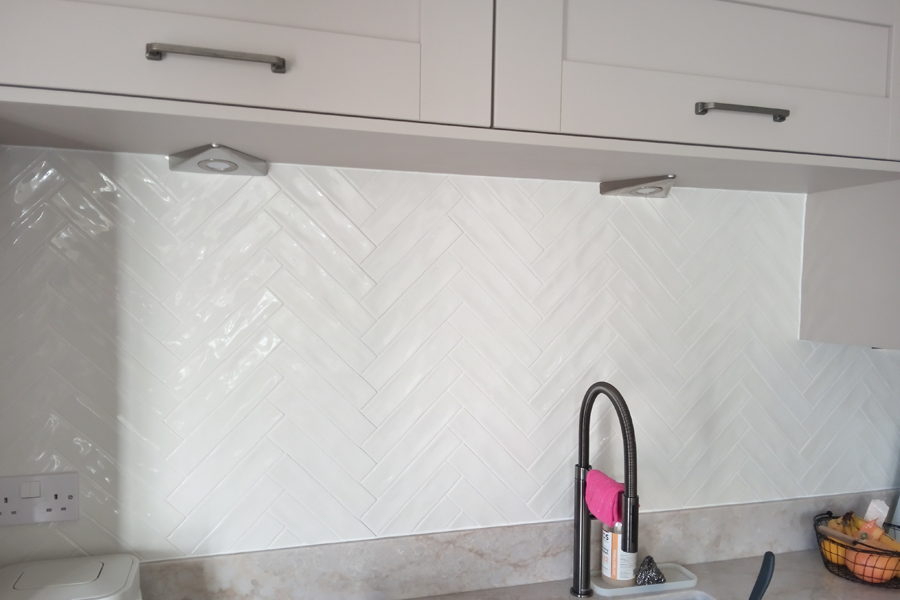
When we choose white grout, we are usually looking for freshness, lightness, and simplicity. An off-white grout often achieves the same effect while feeling softer alongside ceramic, porcelain, marble, or natural stone.
It appears white enough without insisting on being white.
The same principle applies at the opposite end of the scale. Many "black" grouts I use are, in fact, charcoal or variations of dark grey. They provide contrast and definition without dominating the surface.
The geometry remains visible, but the tiles remain the main attraction.
Pure colours tend to flatten a surface. Slight variations create the impression of depth, texture, and materiality.
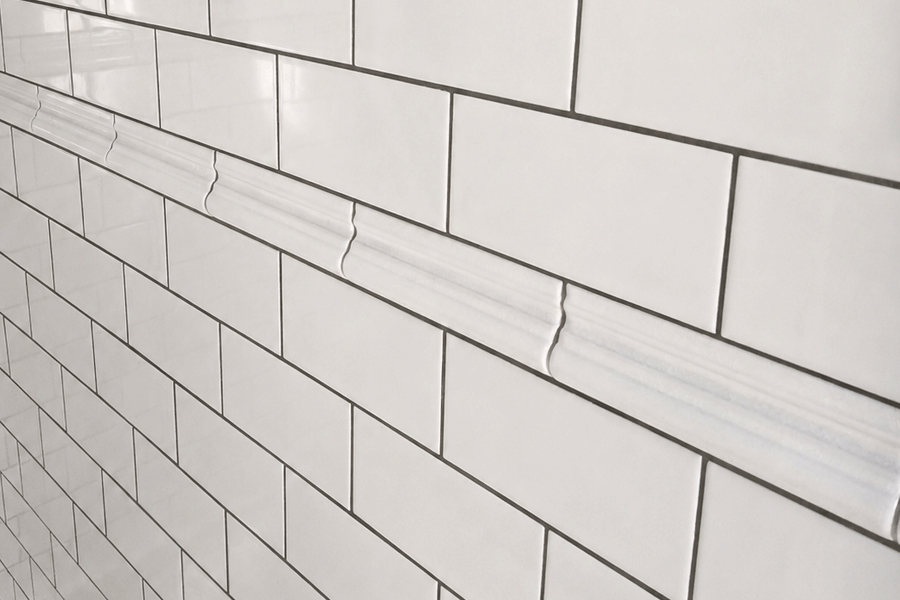
I suspect the reason is that we rarely encounter pure colours in the natural world. Stone, timber, clay, and even clouds contain subtle shifts of tone and colour.
Perhaps this is why colours often become more interesting when they move a small step away from the extremes.
The most successful grout colours are often not pure white or pure black. They simply sit somewhere nearby.